
Therapy for Trauma
Listed below you will find the signs, symptoms or experiences you’ve gone through that may indicate you have some trauma to work through.
Where it’s all coming from:
-
Narcissistic abuse slowly breaks your trust in yourself. You may have been manipulated, blamed, or made to feel like everything was your fault — and now you’re left questioning your reality, your worth, and your judgment.
Signs You May Need Healing from Narcissistic Abuse:
You constantly second‑guess yourself
You feel confused about what actually happened
You were blamed for problems that weren’t yours
You feel anxious speaking up or expressing needs
You fear being “too much” or asking for too much
You over‑explain yourself to feel understood
You feel emotionally drained but still miss them
You feel shame for staying as long as you did
You struggle to trust your instincts
You feel like you lost yourself in the relationship
-
Betrayal trauma happens when someone you trusted deeply breaks that trust. It doesn’t just hurt emotionally — it shakes your sense of safety and makes it hard to trust again.
Signs of Betrayal Trauma:
You feel hyper‑alert in relationships
You struggle to trust even safe people
You replay the betrayal over and over
You feel shocked, numb, or detached
You question your ability to judge character
You feel rage and grief at the same time
You blame yourself for “not seeing it sooner”
You feel unsafe being emotionally open
You fear being blindsided again
You feel like the world isn’t as safe as you thought
-
PTSD isn’t about being weak, it’s about your nervous system staying stuck in survival mode after something overwhelming happened. Even when the danger is over, your body still thinks it needs to protect you.
Signs of PTSD:
You feel easily startled or on edge
You avoid reminders of what happened
You have intrusive memories or flashbacks
You feel disconnected from your body or emotions
You struggle with sleep or nightmares
You feel irritable or reactive for no clear reason
You numb out or shut down emotionally
You feel unsafe even when nothing is wrong
You’re constantly scanning for danger
You feel like your body won’t let you move on
-
Some trauma didn’t start with you but you carry it anyway. Patterns of fear, scarcity, silence, or survival passed down through generations can live in your nervous system without you realizing it.
Signs of Generational or Ancestral Trauma:
You feel guilt for resting or doing better than your family
You carry a deep sense of responsibility for others
You struggle with scarcity thinking or fear of loss
You feel pressure to succeed or “make it worth it”
You minimize your pain because others had it worse
You feel disconnected from your own desires
You feel like survival is more important than joy
You carry emotional weight that doesn’t feel fully yours
You feel loyalty conflicts when you try to heal
You feel like you’re breaking patterns others couldn’t
-
Parent wounds form when the people who were supposed to protect and nurture you couldn’t meet your emotional needs. You may look capable on the outside but feel unseen, unsupported, or unsafe asking for help.
Signs You’re Carrying Parent Wounds:
You learned to self‑soothe instead of being soothed
You struggle trusting others to show up
You feel guilty having needs
You fear disappointing authority figures
You became “mature” very young
You downplay your emotions automatically
You seek approval from partners or bosses
You struggle with boundaries with your parents
You feel unseen or misunderstood
You equate love with performance
-
Event trauma comes from a single overwhelming experience— like an accident, loss, assault, or sudden change. Or it can show up as an ongoing event—abuse, religion, institutions, toxic environments—which creates an ongoing overwhelming experience. Even if you “handled it” at the time or are completely out of it, your body may still be holding the shock.
Signs of Event Trauma:
You feel frozen or panicked when reminded of the event
You avoid places, people, or topics linked to it
You feel emotionally numb or disconnected
You experience sudden anxiety or fear
You feel like time stopped at that moment
You struggle to feel safe again
You feel confused about why it still affects you
You blame yourself for what happened
You feel overwhelmed by emotions out of nowhere
You feel pressure to “be over it by now”
Explore below to find out which patterns are driving parts of your life right now.

Trauma-tology Framework:
Stabilization
If you are in crisis, have trouble managing emotions or present with distressing symptoms—you will first work on feeling more secure so your mind & body can handle more extensive trauma work.
Trauma Reprocessing
You will work through past trauma memories or emotional wounding that is responsible for present day symptoms. This is the deeper healing work.
Integration
You will start to show up differently, make new choices or experience life from a new lens of joy, hope & presence. You will feel as if you have moved on from what happened.
Evidence-Based Treatment
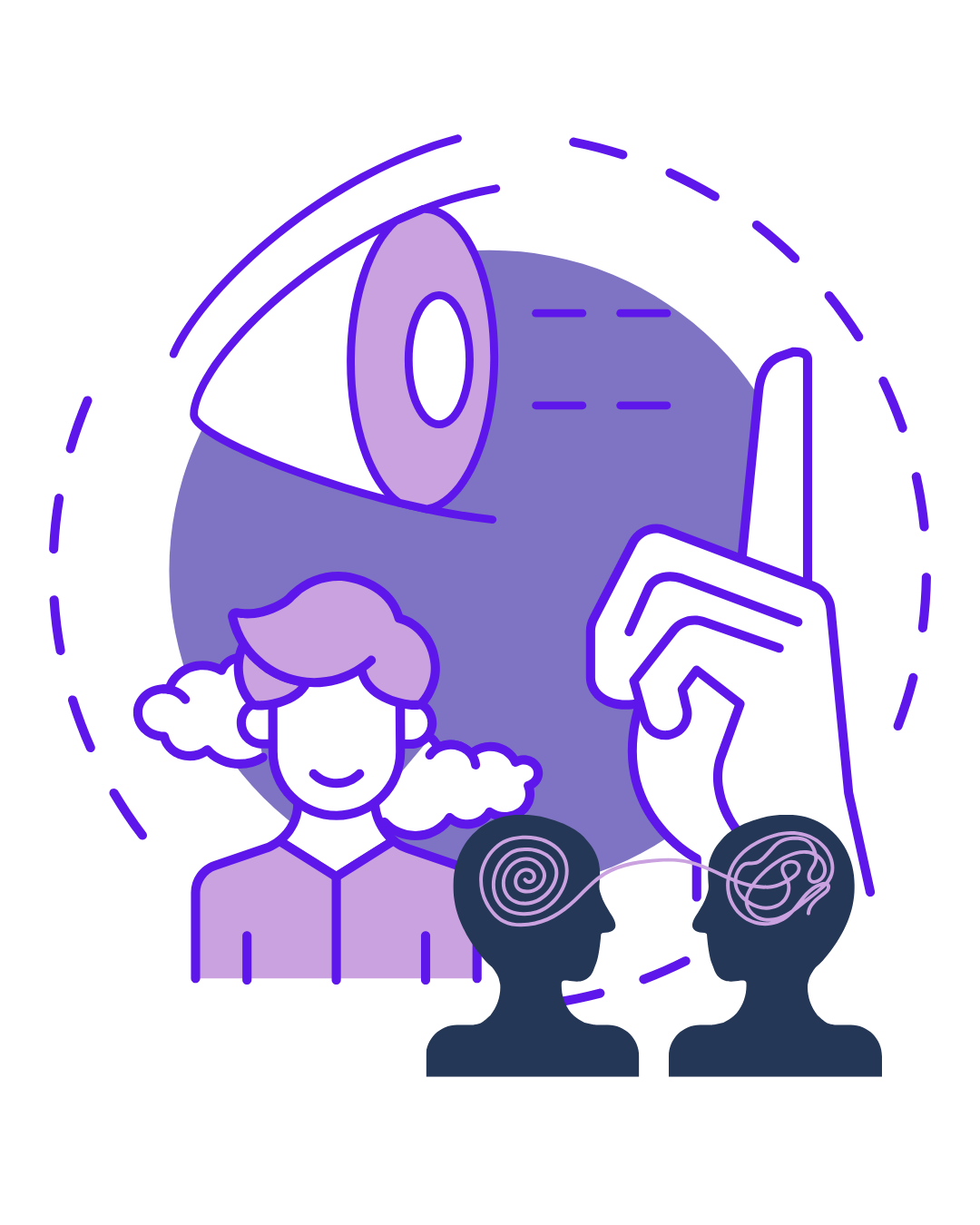
EMDR Therapy
EMDR activates past memories that continue to influence how you feel and respond today. You’ll move your eyes back & forth while gently focusing on an old memory. Over time, the memory will start to feel less intense which changes how you think, act or feel when similar things happen in real life.
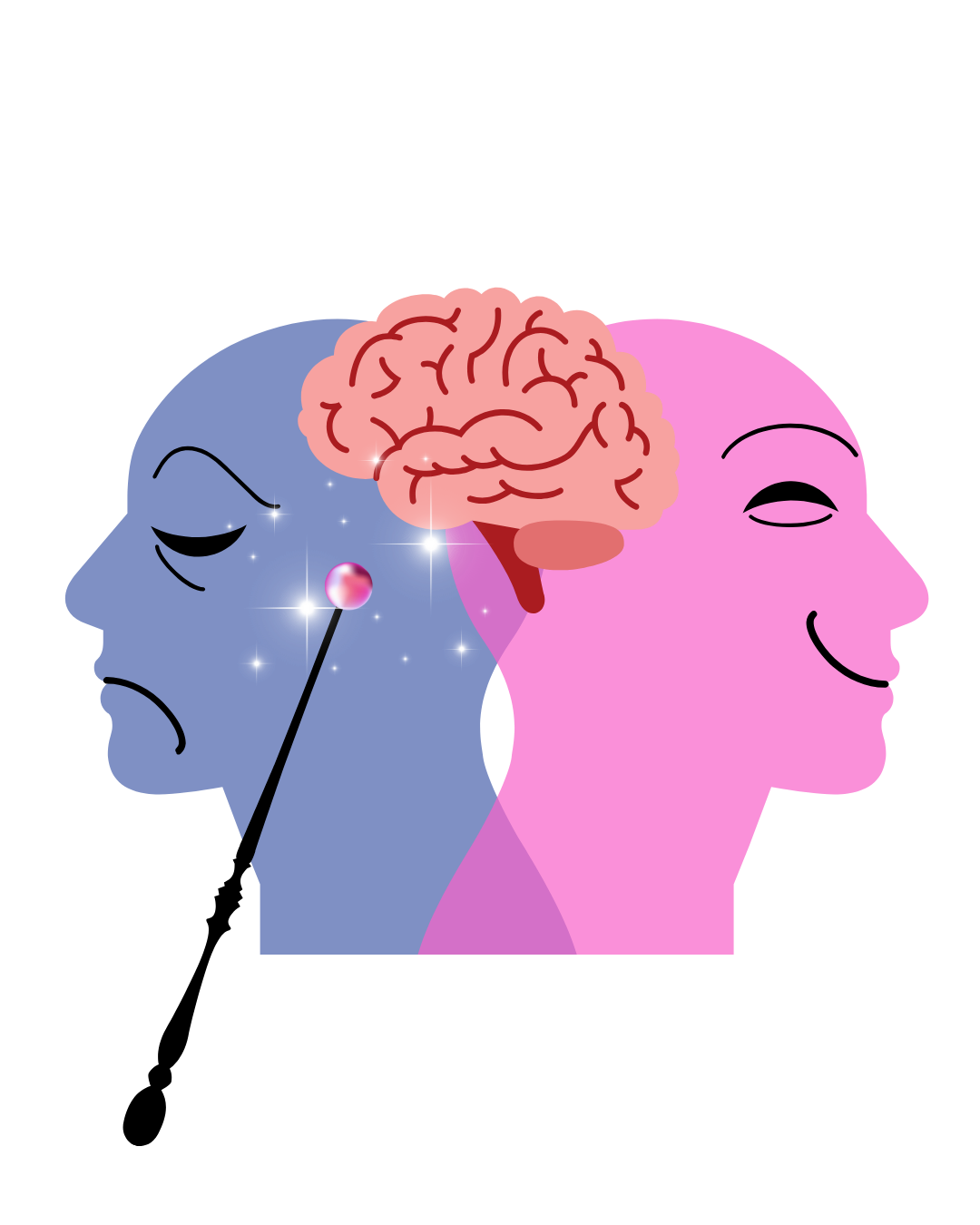
Brainspotting
Created by an EMDR Therapist, brain-spotting suggests that where you look effects how you feel. During sessions, you will think or feel something stressful and we will use a pointer to find a spot in your visual field that is the strongest. As you stare at that spot, your brain will start to heal itself so your symptoms change.
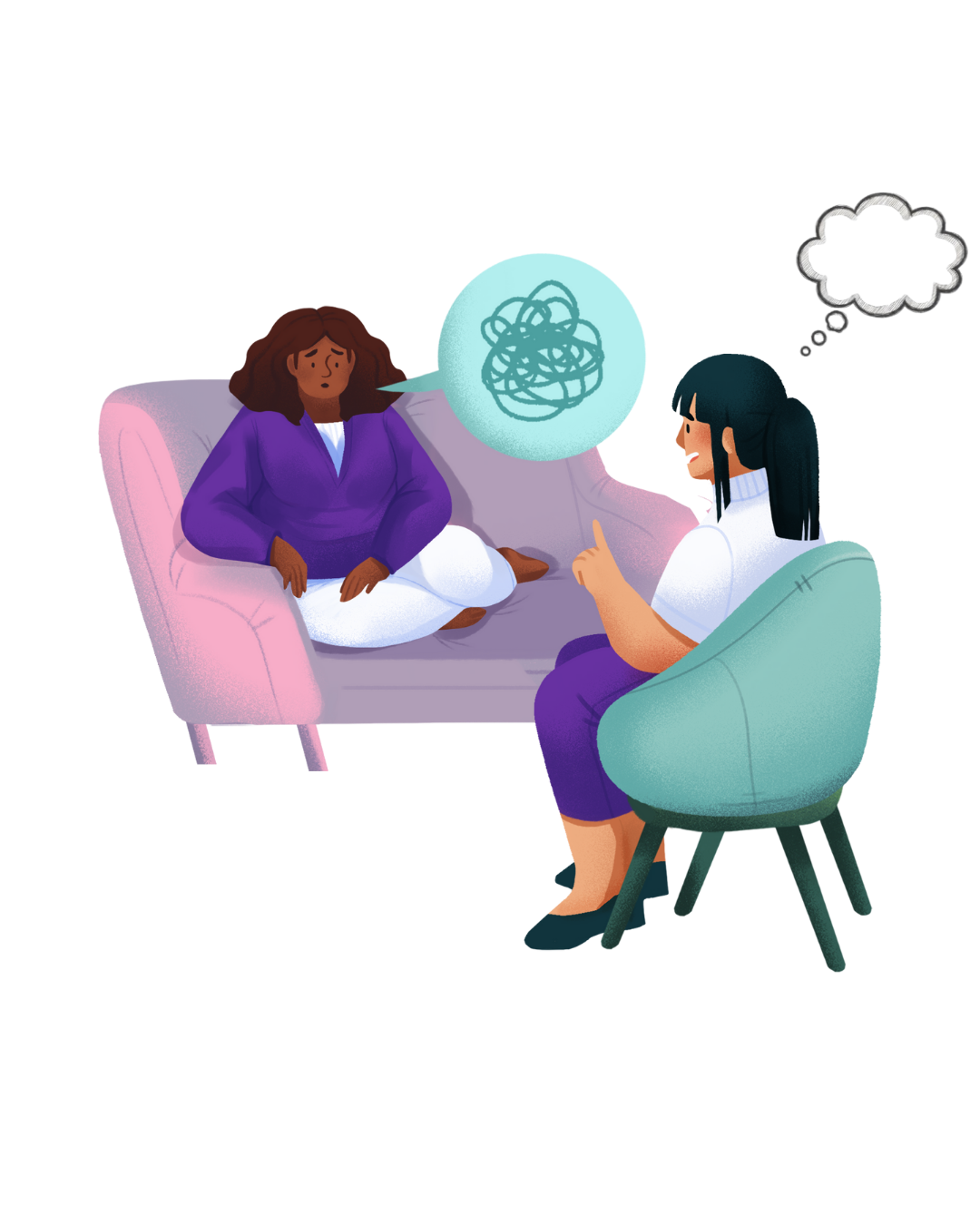
Psychodynamic Therapy
An insight-oriented approach, I will observe unconscious patterns in session so you can learn more about yourself such as why you behave the way you do, how your past relationships influence your current life, and which experiences are affecting your mental health and life satisfaction the most.
Schedule Consult Call:
Here’s how to become a client:
Fill out the following form so we can meet for a 15-30 minute free consultation call.
Please have prepared the following for our call:
If you plan on using insurance, all required information.
The reason you are seeking out services (symptoms, patterns, what you would like to work on or improve of)
What you have tried before to help you
Your schedule to see if it matches mine
If I have decided that I can help and we both think this is a good match, your first session will be scheduled and you will fill out intake paperwork and consent forms to be completed.
Please note that psychotherapy is a weekly commitment. At this time, I am only taking clients who can meet every week.
If the form to the right doesn’t appear, email me at: therapy@cynthiamachlcsw.com